Reefer Container Loading: Airflow, Red Line and Pallet Plans
How reefers move air, why the T-floor and red load line limit your plan, chilled vs frozen stowage, pre-cooling, and a worked 40ft reefer pallet plan.
Sea containers · · 5 min read
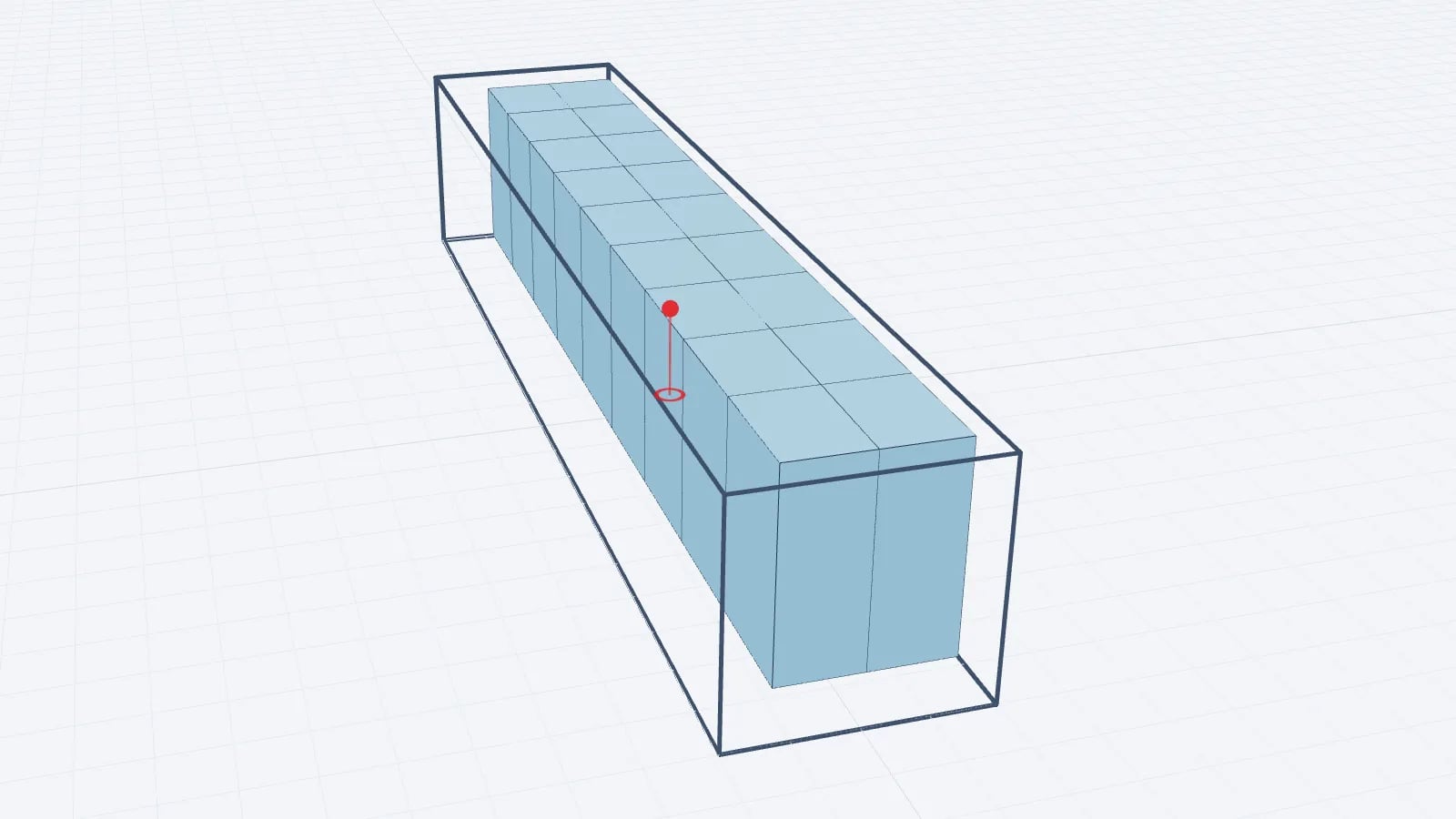
Load a reefer so that cold air can reach every part of the cargo. Air leaves the refrigeration unit under the cargo through the T-floor, rises through or around the load and returns along the ceiling, so you must keep the floor channels working, never load above the red load line, and only load cargo that is already at carriage temperature.
A reefer is not a freezer that cools warm goods down. It is designed to hold a temperature. Most cargo problems in reefers come from air not reaching part of the load, not from the machine failing. This article covers the planning side; always follow the shipper's carrying instructions and the carrier's guidance for the specific commodity.
How air moves in a reefer
- The unit at the front end blows cold supply air into the T-shaped floor rails, which run the length of the box towards the doors.
- Air rises from the floor through the cargo (chilled goods) or around it (frozen goods).
- It returns over the top of the cargo, along the ceiling, back to the unit.
Any gap that lets air bypass the cargo is a short circuit. Large areas of uncovered floor, gaps along the walls or cargo above the red line all let air take the easy route, and the cargo the air misses warms up.
Typical reefer dimensions
Type: 20' reefer
- Typical inside L × W × H
- 5.44 × 2.29 × 2.27 m
- Typical payload
- about 27,000 kg
- Euro / industrial pallets (one tier)
- 10 / 9
Type: 40' high cube reefer
- Typical inside L × W × H
- 11.58 × 2.29 × 2.55 m
- Typical payload
- about 29,000 kg
- Euro / industrial pallets (one tier)
- 23 / 20
| Type | Typical inside L × W × H | Typical payload | Euro / industrial pallets (one tier) |
|---|---|---|---|
| 20' reefer | 5.44 × 2.29 × 2.27 m | about 27,000 kg | 10 / 9 |
| 40' high cube reefer | 11.58 × 2.29 × 2.55 m | about 29,000 kg | 23 / 20 |
The insulated walls make a reefer about 6 cm narrower and, in a 40', almost half a metre shorter inside than a dry box. The usable height is lower again because of the red line, which is typically marked on the side walls some way below the ceiling. Exact figures vary by manufacturer and build year, so read the markings on the box. Compare with dry containers in shipping container dimensions.
Chilled versus frozen stowage
Airflow
- Chilled cargo (fruit, vegetables, fresh meat, pharma)
- Air must pass through the load
- Frozen cargo (around −18 °C and below)
- Air passes around the load
Packaging
- Chilled cargo (fruit, vegetables, fresh meat, pharma)
- Vented cartons with vents aligned from layer to layer
- Frozen cargo (around −18 °C and below)
- Non-vented cartons are fine
Stowage
- Chilled cargo (fruit, vegetables, fresh meat, pharma)
- Cover the whole floor, keep the pallet footprint tight, no gaps on top of pallets that let air escape
- Frozen cargo (around −18 °C and below)
- Block stow tightly; the load only needs to stay at temperature
Ventilation
- Chilled cargo (fruit, vegetables, fresh meat, pharma)
- Fresh-air exchange often set for respiring produce
- Frozen cargo (around −18 °C and below)
- Normally closed
| Chilled cargo (fruit, vegetables, fresh meat, pharma) | Frozen cargo (around −18 °C and below) | |
|---|---|---|
| Airflow | Air must pass through the load | Air passes around the load |
| Packaging | Vented cartons with vents aligned from layer to layer | Non-vented cartons are fine |
| Stowage | Cover the whole floor, keep the pallet footprint tight, no gaps on top of pallets that let air escape | Block stow tightly; the load only needs to stay at temperature |
| Ventilation | Fresh-air exchange often set for respiring produce | Normally closed |
For chilled cargo, any floor area not covered by pallets should be closed off with cardboard or other floor covering so that the supply air is forced up through the pallets rather than escaping through the open T-floor at the doors.
Rules that change the load plan
- Red line is a hard height limit. Nothing above it, including the top layer of cartons on a pallet. Plan pallet heights against the line, not the ceiling.
- No loading beyond the end of the T-floor at the door end; the air has no channel there.
- Nothing laid across the top of the pallet rows, such as loose cartons or a half-height second tier: it blocks the return air path.
- Keep the floor covered for chilled cargo; plan which positions stay empty and how they will be covered.
- Stable, square pallets. Overhanging cartons create gaps along the walls; under-hanging cartons leave open floor. Both waste air.
- Weight. Reefers have a higher tare, and dense frozen cargo can reach the payload before the space is full.
Pre-cooling: the cargo, not always the box
The cargo must be pre-cooled to the carriage temperature before loading. A reefer unit can only remove a limited amount of heat; warm cargo leaves the inner parts of each pallet warm for days.
Pre-cooling the empty container is a different question. If the doors will be opened at a warm, humid dock, a cold box draws in moist air that condenses on the walls and cargo. Carrier guidance usually says to pre-cool the container only when it is loaded through a cold store with a sealed dock door or cold tunnel; otherwise keep the unit off while loading and switch on as soon as the doors are closed. Follow the carrier's instructions for your situation.
Worked example: chilled pallets in a 40' reefer
Say you have 20 industrial pallets (1200 × 1000 mm) of chilled produce, each 2.20 m high and 950 kg, in a 40' high cube reefer with a red line that allows about 2.40 m of load height.
- 1Height: 2.20 m is under the 2.40 m line, so no tier is possible or needed. Check that no carton on the top layer is higher than the rest.
- 2Floor layout: with one lane of pallets 1,200 mm across and one lane 1,000 mm across, the two lanes use 2,200 mm of the 2,290 mm width. The first lane holds 11 pallets (11 × 1,000 = 11,000 mm), the second 9 (9 × 1,200 = 10,800 mm). That is exactly 20.
- 3Weight: 20 × 950 = 19,000 kg, well within a typical 29,000 kg payload.
- 4Floor cover: the floor is about 11.58 × 2.29 = 26.5 m²; the pallets cover 20 × 1.2 = 24 m². About 2.5 m² at the door end and along the side gap must be covered so the air goes up through the pallets.
- 5Settings: temperature, ventilation and humidity as per the shipper's carrying instructions, recorded on the booking and checked on the unit before the doors close.
To check a layout like this before the truck arrives, choose the reefer preset in EveryLoading, set the inside height to your red line rather than the ceiling, and mark the pallets as not stackable in the cargo settings. The plan then shows where the empty floor is, so you know where to put floor covering. Weight distribution and securing work the same way as in a dry box; see container stuffing plan.
Tip
Pallet height is the item people get wrong most easily in reefers. Measure the tallest pallet, not the specification, and set the planner height to the red line minus a few centimetres.
Frequently asked questions
What is the red line in a reefer container?
It is the maximum load height marked on the side walls. Cargo above it blocks the return air path along the ceiling, so parts of the load are no longer cooled properly.
Should I pre-cool a reefer container before loading?
Pre-cool the cargo always. Pre-cool the empty container only when loading through a sealed cold dock or tunnel; otherwise warm humid air causes condensation when the doors open.
Why do chilled loads need the floor covered?
Supply air comes up through the T-floor. Open floor lets it escape straight to the ceiling instead of passing through the pallets, so the cargo it misses warms up.
How many pallets fit in a 40ft reefer?
Typically 23 Euro pallets or 20 industrial pallets on the floor, because a reefer is narrower and shorter inside than a dry container.
Keep reading
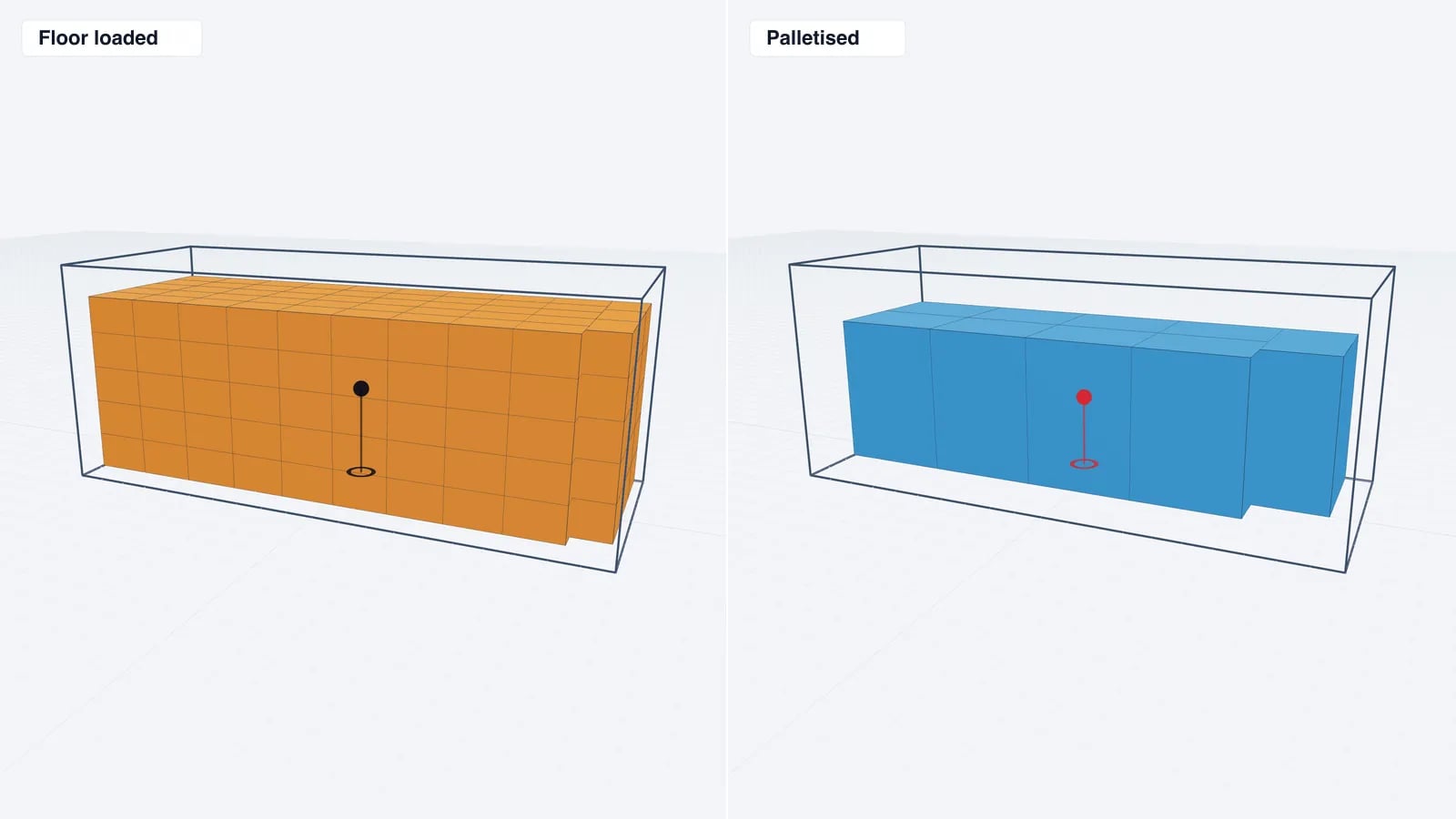
Sea containers · · 5 min read
Floor Loading Cartons in a Container vs Palletised Loads
When to floor load cartons instead of palletising, how to orient and stack them, how to check carton strength, and a worked 40ft high cube comparison.
Read article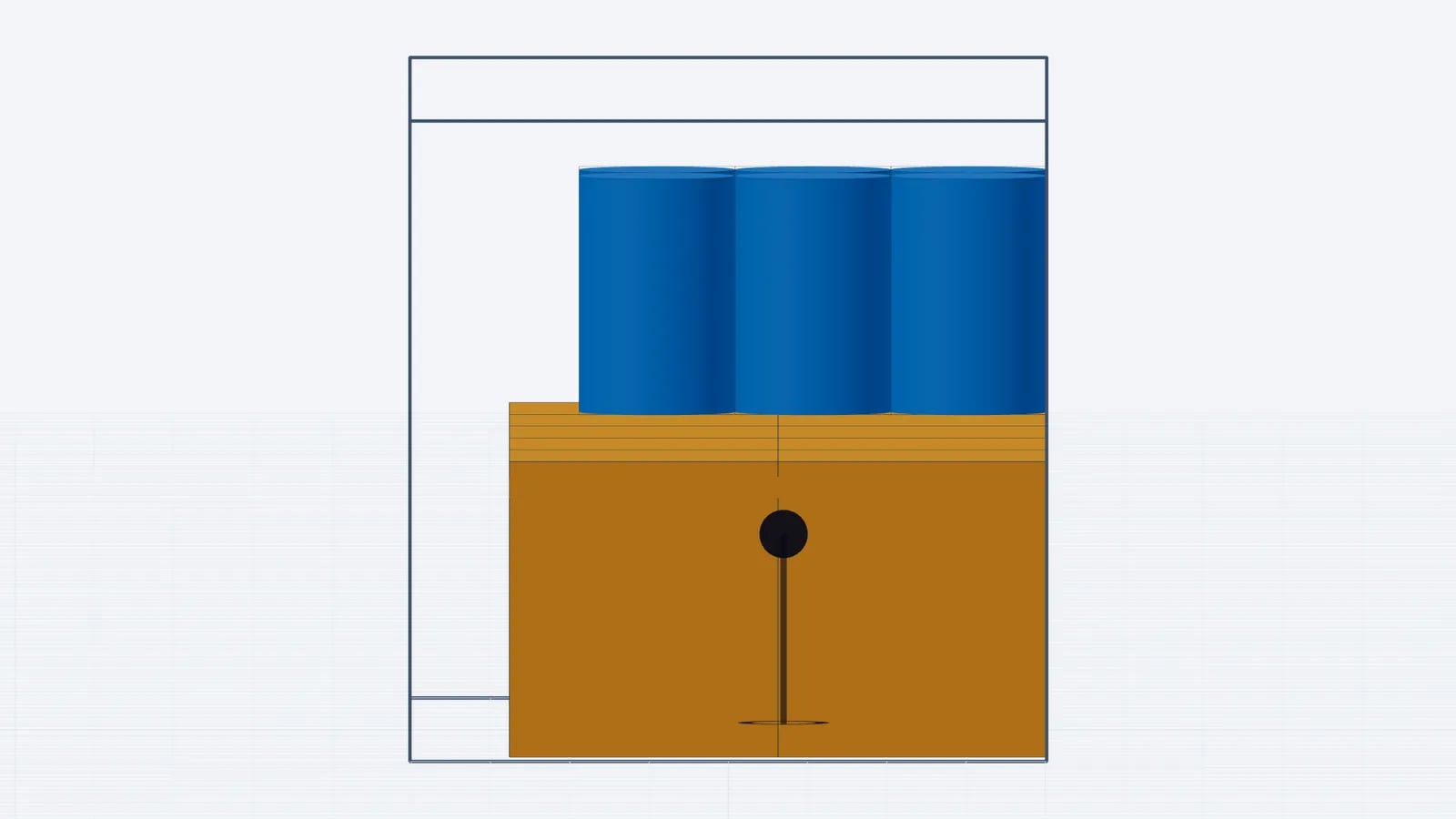
Sea containers · · 6 min read
Container Dunnage: Airbags, Blocking, Bracing and Void Fill
How to secure container cargo with airbags, timber blocking, bracing, lashing and void fill, and how to plan the load so there are fewer gaps to fill.
Read article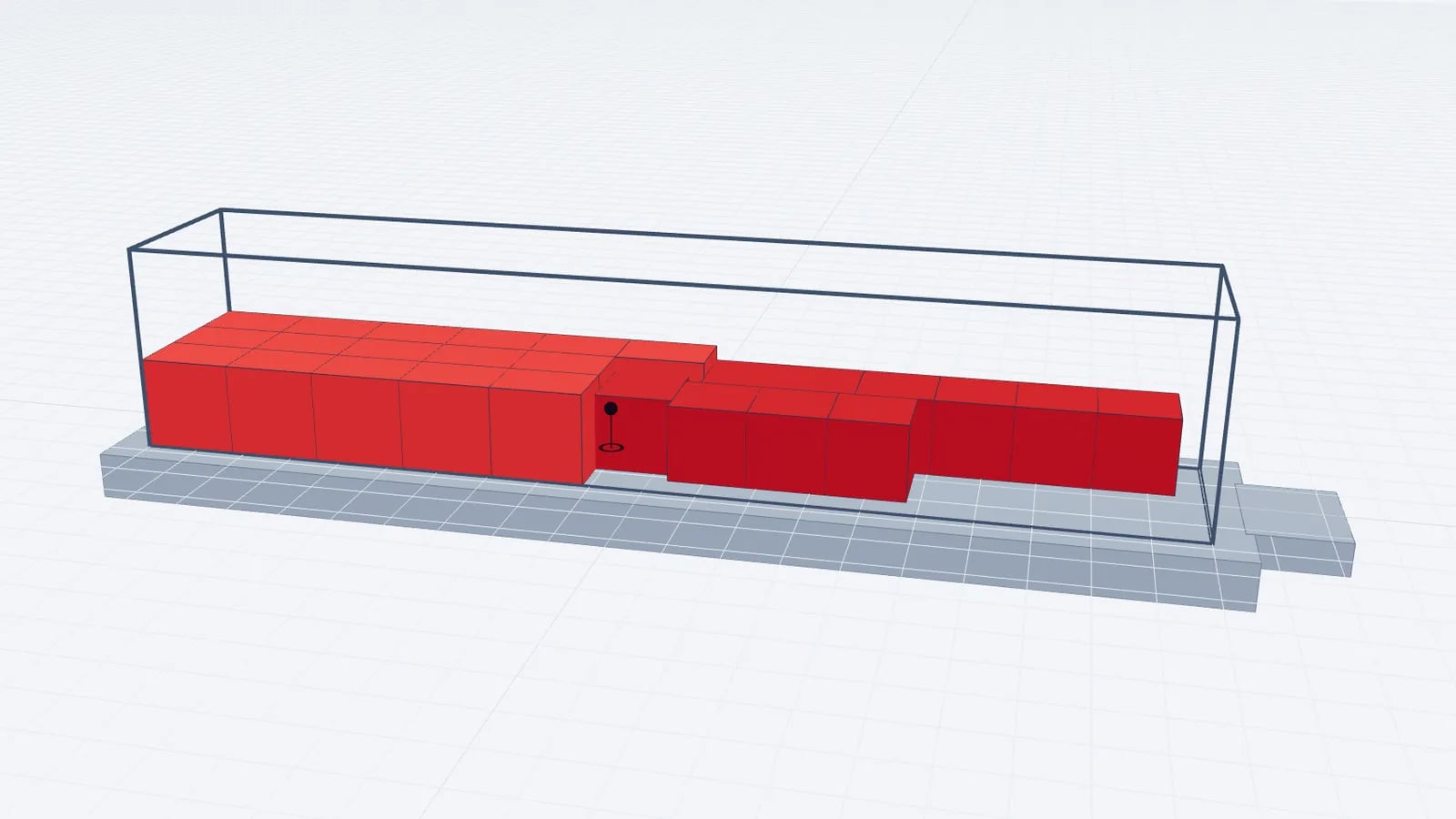
Sea containers · · 6 min read
Shipping Container Dimensions: 20', 40', 40' HC and 45' HC
Internal size, door openings, tare, payload and cubic capacity of 20', 40', 40' high cube and 45' containers, with the limits that matter when you plan a load.
Read article