Fresh Produce Transport: Planning Crates, Bins and Reefers
Fresh produce transport planning: crates and bins, temperature and ventilation in general terms, product compatibility, airflow and when produce weighs out.
Industry guides · · 5 min read
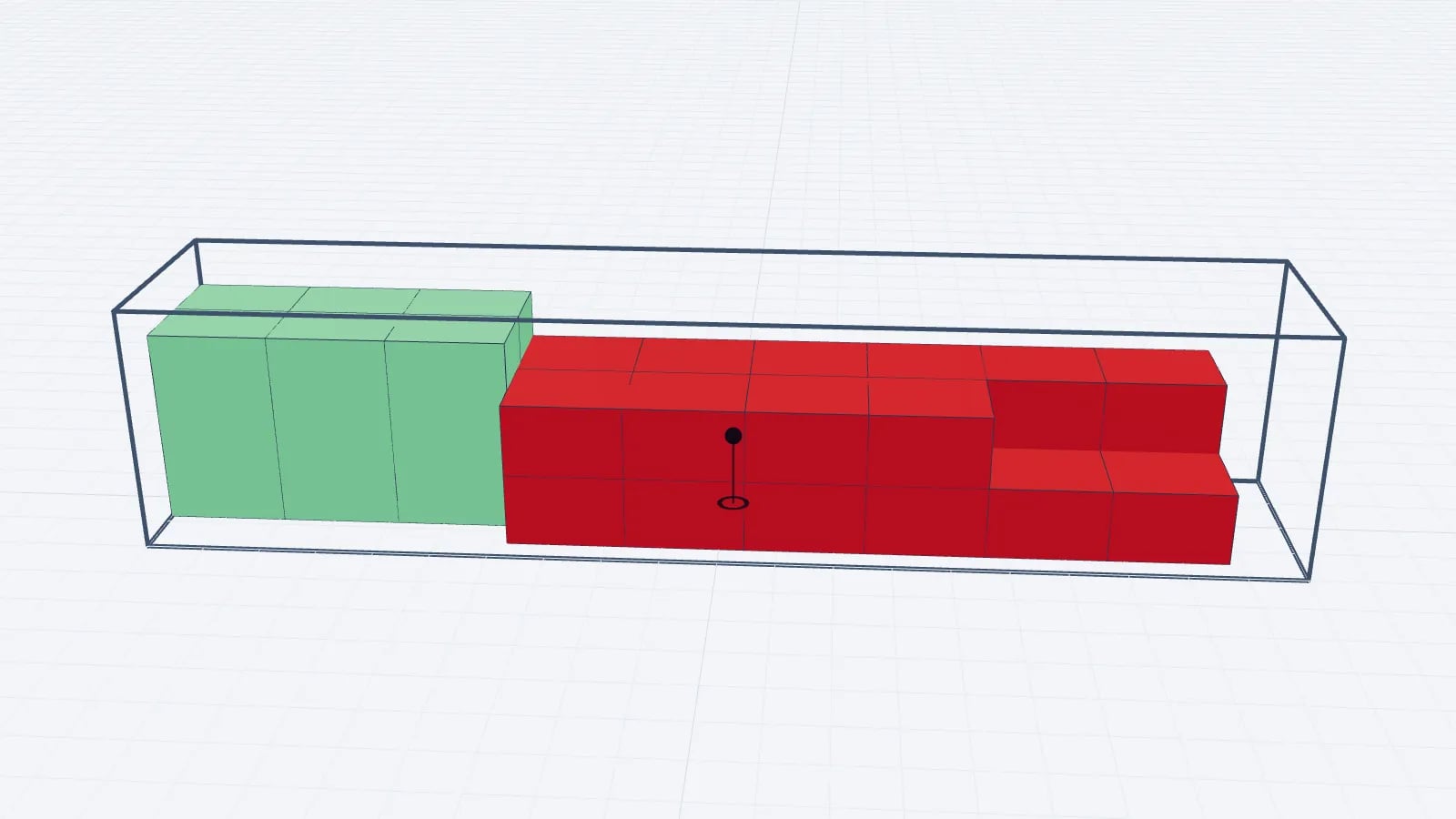
Fresh produce transport is about keeping a living product in the right conditions: produce keeps respiring after harvest, giving off heat, moisture and in some cases ethylene. The load plan has to keep air moving through the load, keep incompatible products apart, stay below the reefer's load line, and still respect payload, since dense crops such as potatoes weigh out long before light ones such as lettuce.
Packaging: crates, cartons and bins
Unit: Returnable plastic crates
- Typical size
- Common footprints 600 × 400 and 400 × 300 mm
- Planning notes
- Four 600 × 400 crates make one layer on a Euro pallet; vented sides help airflow
Unit: Cartons (fibreboard)
- Typical size
- Often 600 × 400 or 400 × 300 mm footprints
- Planning notes
- Vent holes must line up when stacked; strength drops when cartons get damp
Unit: Field bins
- Typical size
- Often around 1200 × 1000 mm
- Planning notes
- Used from field to packhouse; heavy, usually not stacked in transport unless designed for it
Unit: Big bags and sacks
- Typical size
- Various
- Planning notes
- Potatoes, onions; dense and weight-limited
| Unit | Typical size | Planning notes |
|---|---|---|
| Returnable plastic crates | Common footprints 600 × 400 and 400 × 300 mm | Four 600 × 400 crates make one layer on a Euro pallet; vented sides help airflow |
| Cartons (fibreboard) | Often 600 × 400 or 400 × 300 mm footprints | Vent holes must line up when stacked; strength drops when cartons get damp |
| Field bins | Often around 1200 × 1000 mm | Used from field to packhouse; heavy, usually not stacked in transport unless designed for it |
| Big bags and sacks | Various | Potatoes, onions; dense and weight-limited |
Packaging that fits the pallet footprint exactly, with no overhang or underhang, keeps the pallet stable and makes the floor plan predictable. Overhanging crates are easily crushed by the neighbouring pallet.
Temperature and ventilation, in general terms
Every product has its own recommended carrying temperature and humidity, and the shipper's instructions always come first. As a general picture:
- Many temperate fruit and vegetables such as apples, leafy greens and berries are carried close to 0–4 °C.
- Chilling-sensitive produce such as bananas, many tropical fruits, and some tomatoes and cucumbers is damaged by temperatures that are too low; bananas, for example, are usually carried around 13–14 °C.
- Ventilation removes heat, moisture and ethylene. Reefer containers have a fresh-air vent set in cubic metres per hour; trailers handle this differently by unit and design.
- Pre-cool the product, not just the vehicle. Reefers are built to hold temperature, not to pull warm produce down. Whether to pre-cool the empty container or trailer depends on the loading set-up; follow the carrier's instructions, as warm open docks can cause condensation in a cold box.
Good to know
These are general examples, not carrying instructions. Use the product specification or the shipper's set-points for every load.
Compatibility: what may travel together
Mixed produce loads are common in distribution, but not every combination is safe for the product:
- Ethylene producers (for example ripe bananas, apples, pears, tomatoes) can speed up ripening or yellowing of ethylene-sensitive products (for example leafy greens, broccoli, kiwifruit).
- Temperature ranges must overlap. A product that wants 0 °C and one that is damaged below 10 °C cannot share a compartment.
- Odours transfer: onions and some fruits should not share air with products that absorb smell.
Where products are incompatible, use separate compartments of a multi-temperature trailer, or separate vehicles. Write the compatibility decisions down as a simple matrix for the products you handle most often, so planners on every shift make the same call instead of deciding load by load.
Worked example: when produce weighs out
Say a reefer trailer takes 33 Euro pallets and has 24,000 kg payload. Consider three hypothetical pallet types:
Product: Potatoes in sacks
- Pallet weight (example)
- 1,000 kg
- Max by payload
- 24 pallets
- Limited by
- Weight
Product: Tomatoes in crates
- Pallet weight (example)
- 300 kg
- Max by payload
- 33 pallets (9,900 kg)
- Limited by
- Floor space
Product: Lettuce in crates
- Pallet weight (example)
- 220 kg
- Max by payload
- 33 pallets (7,260 kg)
- Limited by
- Floor space
| Product | Pallet weight (example) | Max by payload | Limited by |
|---|---|---|---|
| Potatoes in sacks | 1,000 kg | 24 pallets | Weight |
| Tomatoes in crates | 300 kg | 33 pallets (9,900 kg) | Floor space |
| Lettuce in crates | 220 kg | 33 pallets (7,260 kg) | Floor space |
A full trailer of potatoes stops at 24 pallets with 9 positions empty. A mixed load could fill all 33: for example 12 pallets of potatoes (12,000 kg) and 21 pallets of tomatoes (6,300 kg) is 18,300 kg, leaving payload to spare. But only if the two products are compatible in temperature and ethylene, which tomatoes and potatoes may not be at the same set-point. This is why produce planning starts with compatibility, then weight, then layout.
When a weight-limited load leaves empty positions, spread the heavy pallets so the axle loads stay balanced, and block the gaps; weight distribution in a trailer explains how.
Airflow in the load plan
- Stay below the load line so supply air can reach the rear of the load.
- Load pallets tightly against each other and against the sides as the reefer design requires, so air goes through the product rather than around it. In containers with a T-floor, do not load beyond the end of the floor channels.
- Line up vent holes in cartons and crates, and avoid wrapping pallets fully in film; netting or corner boards with straps keep airflow paths open.
- Do not block the return air at the front of the unit.
- Avoid stacking produce pallets unless the packaging and the reefer allow it and the height stays under the load line.
The container-specific rules are in reefer container loading, and the airflow principles for trailers are also covered in pharma transport.
A pre-loading checklist for produce
- 1Confirm set-point, ventilation and humidity settings from the shipper for each product.
- 2Check product compatibility and decide compartments or separate vehicles.
- 3Check product pulp temperatures where the procedure requires it; do not load produce that has not been cooled.
- 4Calculate weight per pallet from the real pack counts and check against payload.
- 5Plan the layout below the load line, with vents aligned and no blocked return air.
- 6Record the settings, the plan and the loading times with the shipment.
In EveryLoading you can set the vehicle's inside height to the load line, enter each produce pallet with its real weight, and let the optimizer show whether payload or floor space runs out first; see vehicle settings. It does not model temperature or airflow, so the reefer settings remain with the shipper and carrier.
Frequently asked questions
What temperature is fresh produce transported at?
It depends on the product. Many temperate fruit and vegetables travel near 0–4 °C, while chilling-sensitive products such as bananas are carried warmer, around 13–14 °C; always use the shipper set-point.
Can different fruits and vegetables be shipped together?
Only when their temperature ranges overlap and ethylene producers are not loaded with ethylene-sensitive products. Otherwise use separate compartments or vehicles.
Why should produce pallets not be fully wrapped in film?
Full wrapping blocks the vent holes, so the conditioned air cannot remove heat and moisture from the product. Netting or corner boards with straps keep the airflow paths open.
Is produce transport limited by weight or volume?
Both, depending on the crop. Dense products such as potatoes reach payload before the floor is full; light products such as lettuce fill the floor well under payload.
Keep reading
Industry guides · · 6 min read
Beverage Pallet Loading: Plan for Weight Before Volume
Beverage pallets run out of payload long before the trailer is full. How to work out the pallet count, spread the weight over the axles and decide on stacking.
Read article
Industry guides · · 5 min read
Removal Truck Loading: Survey, Size and Load a Household Move
Removal truck loading for movers: turning a volume survey into the right vehicle, loading order for furniture and boxes, protection, and shared-load moves.
Read article
Industry guides · · 5 min read
FMCG Distribution: Load Planning for Multi-Drop Retail Runs
Load planning for FMCG distribution: mixed pallets of uneven height, multi-drop store deliveries, delivery windows, axle loads that change as drops come off.
Read article