Why Air Cargo Gets Offloaded, and How to Avoid It
Why air cargo gets offloaded: payload and balance limits, ULD contour, late tender, screening, DG and paperwork, priority cargo, and how to prevent it.
Air cargo · · 9 min read
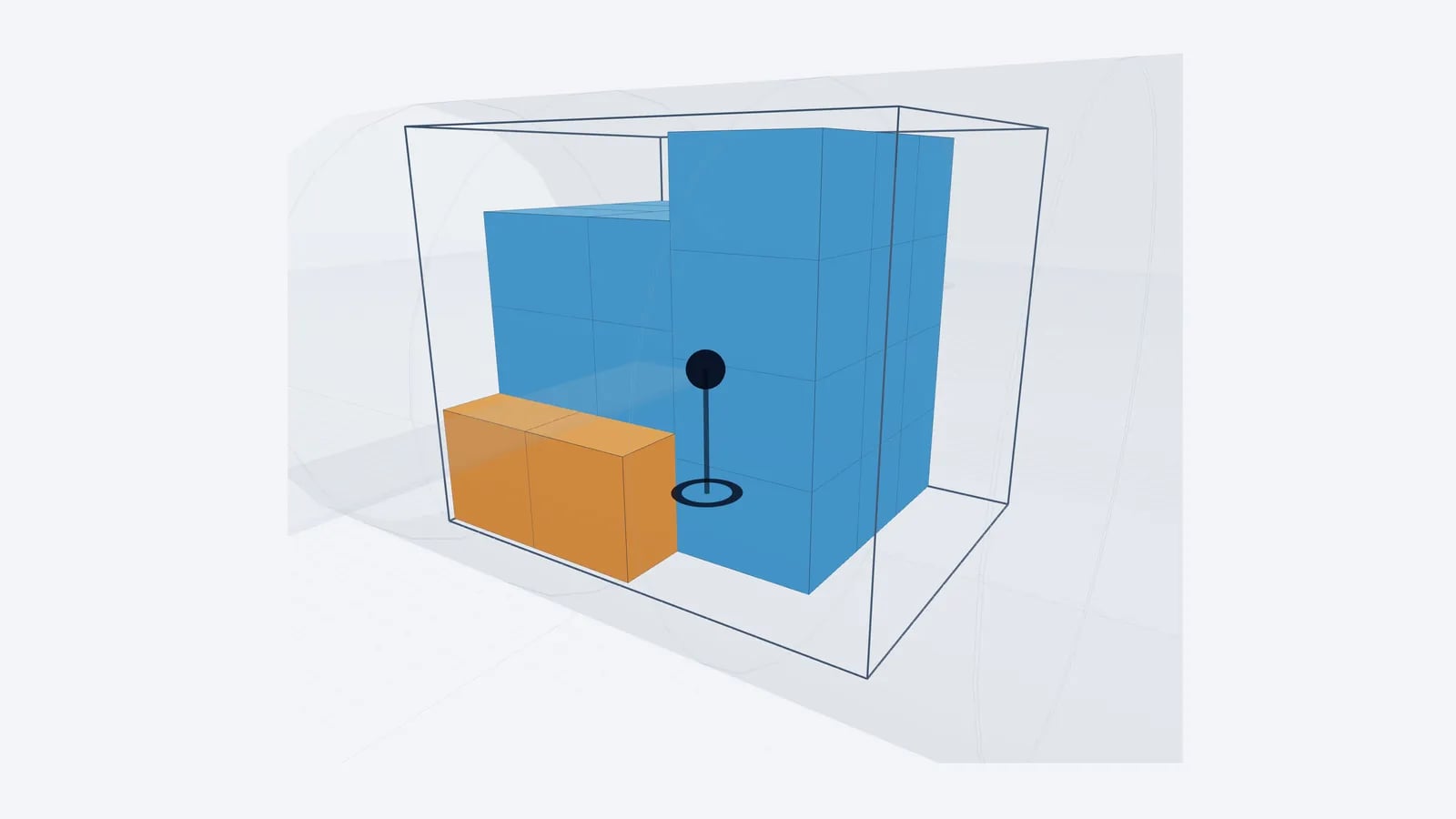
Air cargo gets offloaded when the airline cannot or will not carry a booked shipment on its planned flight: the aircraft has run out of payload or space, the pieces do not fit the planned unit, or the shipment is not ready to fly because of late delivery, screening, dangerous goods or paperwork problems. Many offloads trace back to one thing: the cargo that arrived is not the cargo that was booked.
This article explains what an offload is, the main reasons, and what shippers and forwarders can do to keep their freight on the flight. Airline rules and priorities vary, so treat the figures here as typical and check your carrier's conditions.
What an offload is
An offload means a shipment booked and accepted for a flight did not travel on it. It can happen at different points:
- At acceptance: the cargo terminal refuses the shipment, or accepts it but marks it not ready for carriage.
- At build-up: the pieces do not fit the planned ULD, or the build goes over its weight or contour.
- At final load planning: the load controller removes units or bulk cargo to meet payload or balance limits.
- On the ramp: a ULD is pulled at the aircraft because it will not fit the position or the flight is closing.
An offloaded shipment is normally rebooked on the next available flight. For general cargo that can mean a day or more; for perishables, pharma or production parts, the delay can cost far more than the freight.
The main reasons at a glance
Reason: Payload limit
- What happens
- Fuel, weather, runway or temperature reduce what the aircraft can lift
- Who can prevent it
- Airline; shipper by flexible booking
Reason: Weight and balance
- What happens
- A unit cannot go where it is needed for the centre of gravity
- Who can prevent it
- Airline load control
Reason: Volume and contour
- What happens
- Pieces or a built ULD are too big for the planned position
- Who can prevent it
- Shipper and forwarder
Reason: Late tender
- What happens
- Cargo arrives after the latest acceptance time
- Who can prevent it
- Shipper and forwarder
Reason: Security screening
- What happens
- Cargo is not from a secure supply chain and cannot be screened in time
- Who can prevent it
- Shipper and forwarder
Reason: Dangerous goods
- What happens
- Wrong declaration, wrong labels, damaged packages, cargo aircraft only on a passenger flight
- Who can prevent it
- Shipper
Reason: Documents and data
- What happens
- Air waybill errors, missing export documents, missing advance data
- Who can prevent it
- Shipper and forwarder
Reason: Priority cargo
- What happens
- Mail, express or higher-priority shipments take the space
- Who can prevent it
- Partly the airline's choice
Reason: Aircraft change
- What happens
- A smaller aircraft or one with different holds operates the flight
- Who can prevent it
- Airline
| Reason | What happens | Who can prevent it |
|---|---|---|
| Payload limit | Fuel, weather, runway or temperature reduce what the aircraft can lift | Airline; shipper by flexible booking |
| Weight and balance | A unit cannot go where it is needed for the centre of gravity | Airline load control |
| Volume and contour | Pieces or a built ULD are too big for the planned position | Shipper and forwarder |
| Late tender | Cargo arrives after the latest acceptance time | Shipper and forwarder |
| Security screening | Cargo is not from a secure supply chain and cannot be screened in time | Shipper and forwarder |
| Dangerous goods | Wrong declaration, wrong labels, damaged packages, cargo aircraft only on a passenger flight | Shipper |
| Documents and data | Air waybill errors, missing export documents, missing advance data | Shipper and forwarder |
| Priority cargo | Mail, express or higher-priority shipments take the space | Partly the airline's choice |
| Aircraft change | A smaller aircraft or one with different holds operates the flight | Airline |
Payload and weight-and-balance limits
The cargo an aircraft can take is what is left after fuel, passengers, bags and crew. That figure changes from flight to flight. Strong headwinds need more fuel, hot days and short or high runways reduce take-off weight, and a full passenger load leaves less for cargo in the belly.
The load controller also has to keep the aircraft's centre of gravity within limits and stay within the limits for each hold and position. A heavy ULD that would only fit at the end of the hold may be swapped for a lighter one, even if the total weight is fine. Offloads for these reasons often happen late, when final passenger and fuel figures come in.
Shippers cannot change the aircraft's limits, but they can make sure the weight they declared is the weight that arrives. A pallet 20% heavier than booked is the obvious one to pull.
Volume and the ULD contour
In practice, space usually runs out before weight on many flights, especially for light, bulky cargo. Space is not only cubic metres. Each aircraft position has a contour: the outline a built ULD must stay within to pass the door and fit the fuselage. On a typical wide-body lower deck, the build height is about 160 cm. Main-deck positions on freighters allow much more, with height and shape varying by position.
So a shipment can be offloaded even when the booked volume is free:
- A piece of 170 cm height cannot go in a lower-deck position, so it needs a main-deck position, which a passenger flight does not have.
- A long piece cannot turn through the cargo door even though the hold is long enough.
- A pallet built to its full footprint at the base cannot be stepped in at the top corners to meet a sloped contour.
- Pieces that cannot be stacked waste the height above them, so the unit is full by volume before the booked cubic metres are used.
Piece size limits by aircraft type are covered in maximum cargo size for air freight, and how handlers build to the contour in ULD build-up.
Late tender
Each flight has a latest acceptance time (LAT): the latest the cargo can be handed over at the terminal and still be screened, built up and loaded. Typical LATs are several hours before departure, longer for dangerous goods, special cargo and freighter flights. Cargo that arrives after the LAT is often accepted but not loaded, which shows in tracking as an offload.
A truck stuck in traffic, a queue at the terminal or a delivery slot missed by 30 minutes is enough. Build the LAT into the trucking plan with a margin, not as the target arrival time.
Security screening
Air cargo must either come from a secure supply chain or be screened before loading. In the EU this is set out in Regulation (EU) 2015/1998, with known consignors and regulated agents; in the United States, the TSA requires all cargo on passenger aircraft to be screened. Cargo that is not secured has to be screened at the terminal, by X-ray, explosive trace detection, sniffer dogs or physical search. Large, dense or mixed pieces can be hard to screen, and screening capacity is limited at peak times.
Advance data rules add another check. Under the EU's ICS2, the shipment data must be filed before loading, and a 'do not load' message from customs stops the cargo until it is resolved. The US has a similar pre-loading programme (ACAS). Missing or poor data, such as a vague goods description, is a common cause.
Dangerous goods and documents
Dangerous goods are checked at acceptance against the IATA Dangerous Goods Regulations. Common problems:
- The Shipper's Declaration for Dangerous Goods does not match the packages, or is missing details.
- Wrong or missing labels and marks, or a damaged or leaking package.
- Cargo Aircraft Only packages booked on a passenger flight.
- Lithium batteries shipped without the right marks or not declared at all.
Other documents cause offloads too: an air waybill with a piece count or weight that does not match the cargo, missing export declarations, or missing permits for controlled goods. If the cargo terminal finds 12 pieces on an air waybill for 10, the shipment waits until the discrepancy is cleared.
Priority cargo and aircraft changes
When space is short, airlines decide what flies. Many carry mail under contract, and express, perishables, pharma, live animals and higher-yield bookings often have priority over general cargo on deferred rates. The exact order is each airline's commercial choice, and it is often written into the rate or product conditions.
Airlines also swap aircraft for operational reasons. A wide-body replaced by a narrow-body can lose most of its ULD capacity, and a freighter replaced by a passenger aircraft loses the main deck. Shipments planned for the original aircraft are then rebooked.
Booked versus actual: a worked example
A forwarder books 6 pallets of machine parts on a passenger flight with a wide-body lower deck.
- 1Booked: 6 pallets of 120 × 80 × 150 cm, 300 kg each. Volume: 6 × 1.44 = 8.64 m³. Volume weight at 6,000 cm³ per kg: 8,640,000 ÷ 6,000 = 1,440 kg. Actual weight 1,800 kg. Chargeable weight 1,800 kg.
- 2Arrives: 6 pallets of 120 × 100 × 170 cm, 330 kg each. Volume: 6 × 2.04 = 12.24 m³, 42% more than booked. Volume weight: 2,040 kg. Actual weight 1,980 kg. Chargeable weight 2,040 kg.
- 3Height: 170 cm is above the typical 160 cm lower-deck build height. These pallets cannot go in a lower-deck position at all.
- 4Result: the shipment is offloaded and rebooked on a freighter, days later, and invoiced at the higher chargeable weight.
Had the pallets been built to 150 cm as booked, with the extra goods on a seventh pallet, the shipment would most likely have flown. Use the chargeable weight calculator to check the figures before booking, and see air cargo chargeable weight for the rules.
What shippers and forwarders can do
- 1Measure and weigh every piece before booking. Book the real dimensions and weights, including the pallet and packaging, not estimates from the order.
- 2Check piece sizes against the aircraft. Know whether the flight is lower deck only or has a main deck, and check the door and contour for tall or long pieces.
- 3Build to the booked height. If the booking says 150 cm, the warehouse must build to 150 cm. Give them the limit in writing.
- 4Pre-plan the ULD build for full-unit bookings, so you know the cargo fits the unit and contour before it reaches the terminal.
- 5Know the chargeable weight. Light, bulky cargo is charged by volume and also takes the space airlines run out of first. Denser packing helps on both counts.
- 6Deliver well before the LAT, and use a secure supply chain (known consignor or regulated agent) so the cargo does not wait for screening.
- 7Get dangerous goods right first time. Trained staff, correct declaration, labels and packaging, and the right aircraft type.
- 8Send complete data early: air waybill, goods description, and advance customs data.
- 9Ask about priority. For urgent cargo, a priority product or guaranteed capacity can cost less than a missed connection.
For packaging that handles well and fits units cleanly, see packing for air freight.
Plan ULD builds in EveryLoading
Before the cargo leaves the warehouse, check it against the unit it is booked on. The air cargo planner shows how it fits, and ULD types explained gives the unit sizes.
Tip
In EveryLoading, pick the LD3, LD2 or LD3-45 preset, or enter a pallet base and build height as a custom size, then add your pieces with their real dimensions and weights and optimize. Stacking rules (not stackable, maximum weight on top) keep fragile pieces on top, and the weight estimate shows the total and the centre of gravity. EveryLoading plans a rectangular space and does not model sloped ULD contours, so lower the build height or footprint to stay inside the contour. Share the plan as a PDF or share link with the warehouse that builds it.
Frequently asked questions
What does offloaded mean in air cargo tracking?
It means the shipment was booked for a flight but did not travel on it. It is usually rebooked automatically on the next available flight, and the reason may be capacity, size, readiness or documents.
Why does air cargo get offloaded when it was booked?
A booking is not a guarantee of space on every flight. Payload can drop late because of fuel, weather or passenger loads, priority cargo can take the space, and cargo that arrives bigger, heavier or later than booked is often the first to be pulled.
Can a pallet be too tall for a passenger flight?
Yes. On a typical wide-body lower deck the build height is about 160 cm. A taller piece needs a main-deck position on a freighter or combi aircraft.
How can I reduce the risk of an offload?
Book accurate dimensions and weights, build to the booked height, check pieces against the aircraft door and contour, deliver well before the latest acceptance time, and make sure screening, dangerous goods and documents are complete.
Does an offload change the price?
The rate usually stays as booked, but if the cargo is bigger or heavier than declared, it is charged on the actual chargeable weight, and a move to a different product or a freighter can change the cost.
Keep reading
Air cargo · · 6 min read
ULD Build-Up: How Ground Handlers Build Air Cargo Pallets
How a ULD build-up works: checking the unit, layering, floor loading, building to the contour, netting, weighing and tagging, with a worked PMC pallet example.
Read article
Air cargo · · 6 min read
Air vs Sea Freight: When to Switch Mode and How Planning Differs
Air vs sea freight compared for planners: how each mode charges, when air pays, density break-evens, ULDs vs containers, consolidation and a worked example.
Read article
Air cargo · · 7 min read
ULD Types Explained: LD3, LD2, LD3-45, PMC and PAG Pallets
A practical guide to air cargo ULD types: LD3, LD3-45, LD2, LD6, PMC and PAG pallets, with typical dimensions, max gross weights and the aircraft that use them.
Read article