Container Loading Report: What to Record for Every Box
What a container loading report should hold: tally sheet, photos per stage, seal number, VGM and the load plan, and the evidence that decides cargo claims.
Sea containers · · 7 min read
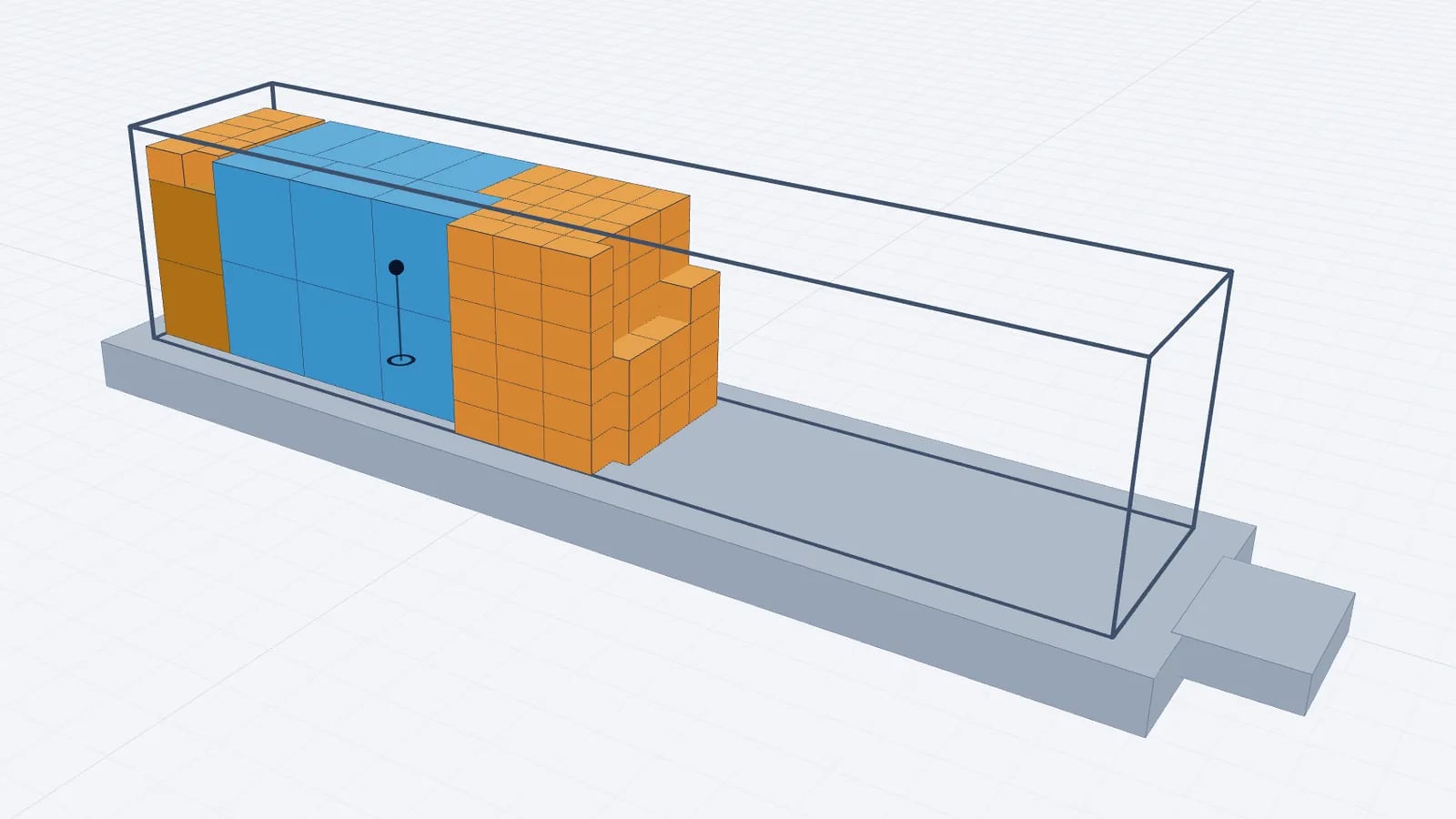
A container loading report is the record of how one container was packed: which goods went in and how many, in what condition, how they were secured, the container and seal numbers, the verified gross mass and photos at each stage. It is filled in at the dock while the box is loaded, signed by the person responsible, and kept with the shipment file. If the cargo arrives damaged or short, this report is usually the strongest evidence the shipper has.
Planning the load is covered in how to make a container stuffing plan. This article is about the paper trail: what to capture, who should sign it and why each item matters when someone files a claim.
Why the report matters more for FCL
When you stuff a full container yourself, the carrier never sees the cargo. The bill of lading for an FCL box is typically marked "shipper's load, stow and count" or "said to contain". That wording tells everyone the carrier only received a sealed box of a stated weight. If the goods arrive crushed, wet or missing and the seal is intact, the first question is whether they were packed properly. Without a report, you have nothing to answer with.
With LCL the consolidator stuffs the box, so your evidence is the condition of the goods on delivery to the CFS and the receipt you get there. The differences between the two are in FCL vs LCL.
The tally sheet
The tally sheet is the core of the container loading report. It records what physically went into the box, section by section, as it happened.
Field: Container number and type
- Example
- XXXU 123456-7, 40ft HC
- Why
- Ties every other record to one box; the check digit catches typos
Field: Booking and order references
- Example
- Booking, PO and packing list numbers
- Why
- Lets the consignee and insurer match the goods to the paperwork
Field: Date, start and end time, dock
- Example
- 19 Nov, 08:10–10:45, door 4
- Why
- Shows when and where the box was in your custody
Field: Line by line count
- Example
- Item code, marks, quantity planned, quantity loaded
- Why
- Proves the count; any short-load is visible at once
Field: Section or step number
- Example
- Steps 1–14 from the load plan
- Why
- Shows the goods went where the plan said
Field: Condition remarks
- Example
- "2 cartons crushed corner, re-taped"
- Why
- Damage noticed before shipping is not a transit claim
Field: Securing used
- Example
- 8 dunnage bags, 2 timber frames, 6 straps
- Why
- Shows the load was secured, not just loaded
Field: Seal number
- Example
- Printed number, checked twice
- Why
- Links the closed box to the record
Field: Names and signatures
- Example
- Loader, tally clerk, supervisor; driver if present
- Why
- Makes the record a statement someone stands behind
| Field | Example | Why |
|---|---|---|
| Container number and type | XXXU 123456-7, 40ft HC | Ties every other record to one box; the check digit catches typos |
| Booking and order references | Booking, PO and packing list numbers | Lets the consignee and insurer match the goods to the paperwork |
| Date, start and end time, dock | 19 Nov, 08:10–10:45, door 4 | Shows when and where the box was in your custody |
| Line by line count | Item code, marks, quantity planned, quantity loaded | Proves the count; any short-load is visible at once |
| Section or step number | Steps 1–14 from the load plan | Shows the goods went where the plan said |
| Condition remarks | "2 cartons crushed corner, re-taped" | Damage noticed before shipping is not a transit claim |
| Securing used | 8 dunnage bags, 2 timber frames, 6 straps | Shows the load was secured, not just loaded |
| Seal number | Printed number, checked twice | Links the closed box to the record |
| Names and signatures | Loader, tally clerk, supervisor; driver if present | Makes the record a statement someone stands behind |
Keep the tally on the same structure as the load plan. If the plan has 14 numbered steps, the tally has 14 lines with a tick, a count and a remark. The clerk then records deviations rather than rewriting the load. How to number the steps is covered in container loading sequence.
Photos per stage
Photos are what make a report hard to argue with. A useful rule: someone who was not there should be able to see from the photos alone that the box was sound, the load was tight and the doors closed on secured cargo.
- 1Container outside. Door end with the container number and CSC plate legible, plus each side if there is visible damage.
- 2Empty inside. From the door, showing floor, walls and roof; close-ups of any holes, stains or repairs.
- 3Light test. From inside with the doors closed, if your process includes it: a dark photo is evidence there were no holes.
- 4First section. The first wall complete, showing what is at the front and how it stands.
- 5About each quarter of the load. Each finished wall, with dunnage and straps visible.
- 6Labels and marks. A close-up of a typical carton label or pallet label per line item.
- 7Door end before closing. The last row and its barrier or straps.
- 8Doors closed and sealed. The seal fitted on the locking handle with its number readable, and the container number in the same frame.
Tip
Keep the photos' original files with their time stamps, and name the folder after the container number. A photo that cannot be tied to a container and a time is much weaker evidence.
The seal record
The seal is the link between your report and the box that arrives. Record the seal number on the tally, in the shipping instructions and on the VGM submission if your process includes it. The number on the bill of lading must match the seal on the box.
- Use a high-security bolt seal to ISO 17712 where the carrier, the route or a security programme requires it.
- Fit it to the locking handle of the right-hand door, the one that opens first.
- Read the number aloud or have a second person check it; transposed digits are the most common seal error.
- If the box is opened after sealing, for example for a customs inspection, record the new seal number and who fitted it.
VGM and weights
Under SOLAS, a packed container cannot be loaded on a ship without a verified gross mass. The report should show how that weight was obtained: the weighbridge ticket if the whole container was weighed (Method 1), or the cargo, packing and dunnage weights plus the container tare if you used Method 2. Record who signed the VGM and when it was sent. The two methods and their deadlines are explained in VGM under SOLAS.
Good to know
If the box carries dangerous goods, the IMDG Code also requires a container packing certificate signed by the person responsible for packing. It belongs in the same file. Check the IMDG Code and your carrier's requirements for the exact form.
Attach the load plan
The report shows what happened; the plan shows what was intended. Attach both. A plan with a drawing per section, weights and the centre of gravity proves that weight distribution and stacking were considered before loading, which is the first thing a surveyor will look for after damage. A load plan PDF with the step list is the easiest form to file and to send to the consignee.
In EveryLoading the plan can be exported as a PDF or shared as a read-only link, also on a free account, with the loading sequence step by step and the weight and centre-of-gravity estimate. The PDF and share manual explains both, the sea freight use case shows the full container workflow, and you can start with a free account.
What to capture for claims
When a claim comes in, the parties will ask the same questions in roughly the same order. The container loading report should answer each one:
| Question in a claim | Evidence that answers it |
|---|---|
| Was the container fit for the cargo? | Inspection checklist, empty-box photos, light test |
| Were the goods in good order when loaded? | Condition remarks on the tally, label close-ups |
| Was the count right? | Line by line tally signed by the clerk |
| Was the load stowed and secured properly? | Load plan, stage photos, securing list |
| Was the weight declared correctly? | VGM record, weighbridge ticket or Method 2 calculation |
| Was the box opened in transit? | Seal number at loading against the seal at arrival |
| Was moisture managed? | Notes on dry pallets, desiccants used, weather during loading |
At destination the consignee should note any damage on the delivery receipt before signing, photograph the seal and the door end before opening, and inform the carrier or forwarder in writing promptly. Notice periods and time limits for claims are short and depend on the contract and the convention that applies, so check them in your terms of carriage.
Keep it simple enough to be filled in
A ten-page form that nobody fills in protects no one. One page of tally, a fixed photo list and the attached plan, completed every time, are worth more than a perfect template used now and then. The practices that make the load itself defensible are in container loading best practices.
Frequently asked questions
What is a container loading report?
It is the record of one container's packing: goods and counts, condition, securing, container and seal numbers, the VGM and photos at each stage, signed by the person responsible.
What photos should I take when loading a container?
The outside with the container number, the empty inside, each completed section, the door end before closing, and the sealed doors with the seal number readable.
Who signs the container tally sheet?
Usually the tally clerk who counted, the loading supervisor and, where present, the driver or a surveyor. Each signature confirms the count and the remarks on the sheet.
Why does the seal number matter?
It shows whether the container was opened between loading and arrival. If the seal at destination matches the number on your report and the bill of lading, the box stayed closed in transit.
Keep reading
Sea containers · · 7 min read
Container Load Calculator for Mixed Cargo: A 40ft Example
Why a container load calculator for mixed cargo must place every piece: pallets, crates and cartons in one 40ft, worked through with real numbers.
Read article
Sea containers · · 8 min read
Container Loading Calculator: How It Works and What to Enter
How a container loading calculator works, which inputs it needs (inside size, door, payload, rotation, stacking) and why volume-only answers overstate fit.
Read article
Sea containers · · 10 min read
Shipping Crate Design: Sizing Crates to Fit the Container
How to design a shipping crate: size it to the container door and inside, skids, ISPM 15, weight and CoG marks, stacking, with a worked 40' HC example.
Read article